
The Current Landscape of British Horse Racing Challenges and Opportunities

The Current Landscape of British Horse Racing: Challenges and Opportunities
Horse racing has long been a quintessential part of British culture, presenting a unique mix of sport, betting, and social event. However, the industry faces numerous challenges currently, including events being canceled, which affects not only the horses and jockeys but also the fans and wider economy. For those looking to engage with the sport, there are still options available, especially when it comes to British horse racing not on GamStop UK horse racing not on GamStop.
The Historical Significance of British Horse Racing
British horse racing is steeped in history, dating back centuries and rich with tradition. Recognized as one of the oldest organized sports, horse racing has captivated audiences since well before the rise of modern technology. Events such as the Grand National and Ascot have become landmarks, attracting hundreds of thousands of spectators annually. However, with the enchanting sights and sounds of the races come the economic and social intricacies that keep the industry moving.
Challenges Faced by the Industry
In recent years, British horse racing has encountered various challenges that threaten its fundamental structure. Among them, regulatory constraints, logistical issues caused by the COVID-19 pandemic, and the emergence of competing sports and entertainment options have all taken their toll. These challenges have led to debates surrounding the sustainability of the industry in its current form.
Regulatory Dynamics
Regulation in horse racing is essential to ensure fair play and the welfare of the animals involved. However, recent regulatory changes have caused some friction. New compliance measures can sometimes stifle the spontaneity and excitement of races. The need to balance safety protocols with the traditional aspects of the sport remains a contentious issue.
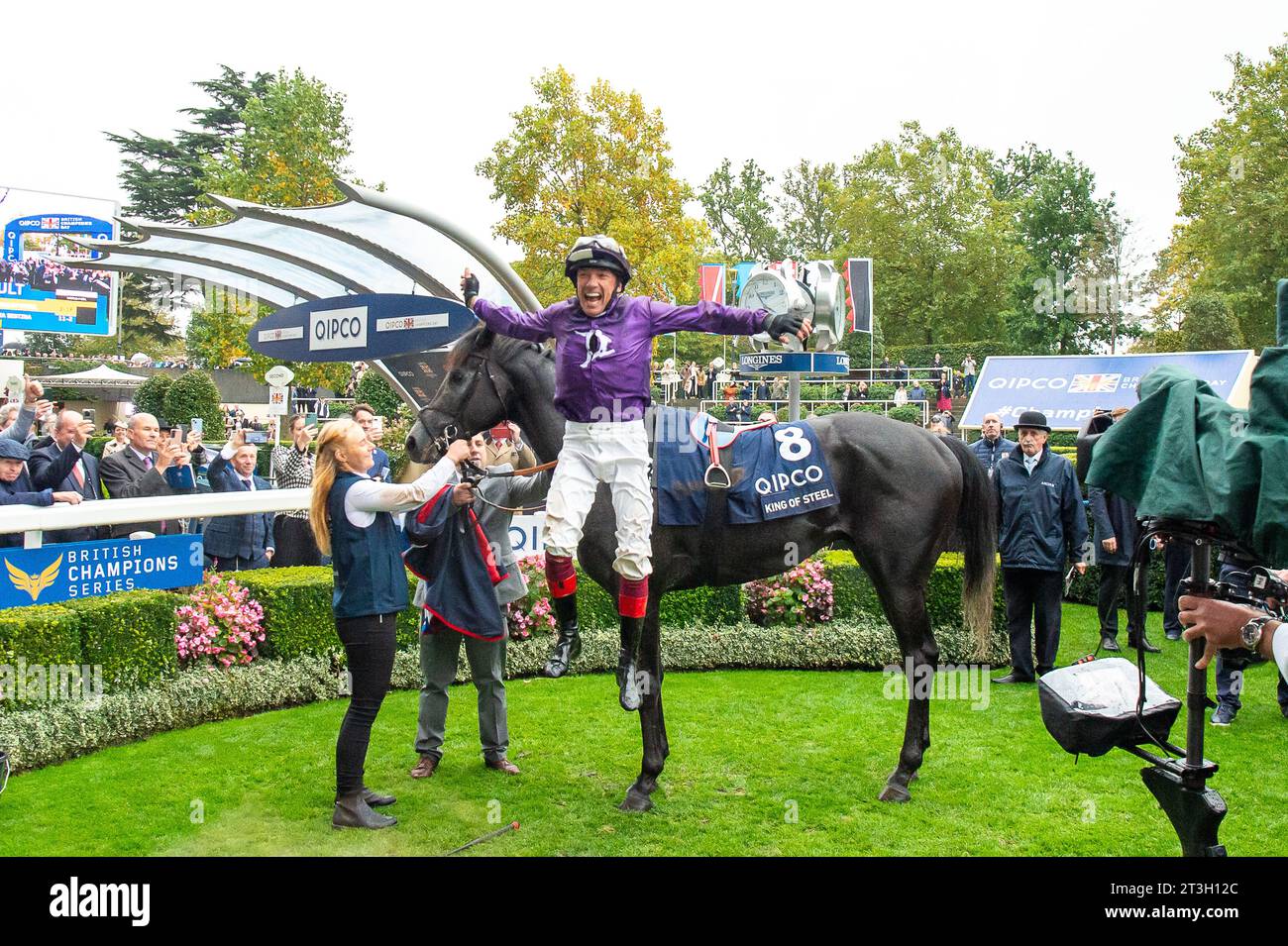
Impact of COVID-19
The COVID-19 pandemic had an unprecedented impact on all sporting events, including horse racing. The enforced lockdowns led to the cancellation and rescheduling of numerous races. Tracks soon adopted health and safety measures, but the damage was already done: the horse racing industry witnessed significant financial losses and a decline in fan engagement.
Competition from Other Forms of Entertainment
As people's leisure time evolves, horse racing is no longer the only entertainment option. The rise of esports, streaming platforms, and diverse sporting events have made it increasingly difficult for horse racing to maintain its previous levels of popularity. Engaging the modern audience has become a pressing concern, requiring innovation and outreach to secure its place in a crowded entertainment landscape.
Opportunities and Innovations
Despite the challenges, there are opportunities and innovative solutions within the British horse racing landscape. To navigate through the evolving situation, stakeholders in the industry are exploring new technologies, providing alternative betting options, and enhancing the overall fan experience.
Technology Integration
Technology has been a critical influence in the evolution of horse racing. From AI analytics that predict race outcomes to mobile apps that make betting more accessible, technology is enhancing engagement. Virtual and augmented reality experiences are also making their way into the arena, providing fans with immersive experiences that bring them closer to the excitement of the race.
New Betting Options
The evolution of betting platforms has opened doors for racing enthusiasts. The introduction of online betting options, especially those UK horse racing not on GamStop, has provided a safe haven for those eager to bet without the restrictions sometimes imposed by traditional betting regulations. With responsible gambling measures in place, these platforms have the potential to attract a wider audience.
Enhancing the Fan Experience
Changing the narrative around horse racing involves enhancing the spectator experience at live events. From interactive shows and family-friendly activities to gourmet food options, race tracks are striving to create a more engaging and more inclusive environment for all. Social media engagement and community events are also playing a significant role in bridging the gap between the sport and its enthusiasts.
The Future of British Horse Racing
The future of British horse racing remains uncertain but viewed with cautious optimism. With a history rich in tradition, the industry has a solid foundation. Key stakeholders must work collaboratively to address the challenges while embracing innovative opportunities that arise. By focusing on enhancing fan experiences, leveraging technology, and ensuring that regulations support rather than inhibit, the sport can continue thriving.

Conclusion
British horse racing is at a crossroads. The hurdles it faces are distinct, yet the potential for revitalization is equally strong. Engaging a new generation of fans requires a willingness to adapt, innovate, and embrace new trends. For horse racing enthusiasts, the passion for this timeless sport remains unyielding, and as the industry evolves, so too will the experiences that accompany it. Whether through traditional races or new avenues such as online platforms, horse racing will continue to find ways to inspire and enthrall audiences.